White Label Fleet Management Software: Features, Cost & Benefits
CloneAppz
Verified Agency Contributor
Managing a fleet is not an easy task. Businesses need to track vehicles, manage drivers, plan routes, check fuel use, and keep deliveries on time. When these tasks are handled manually, they can take a lot of time and lead to mistakes.
This is why many businesses are now using fleet management software. It helps them manage vehicles and daily transport work from one system.
However, every business has different needs. Some companies want their own branded platform instead of using software that carries another company's name. This is where White Label Fleet Management Software becomes useful.
It allows businesses to launch a fleet management platform with their own brand, logo, and selected features. They can use it to manage vehicles, monitor drivers, track trips, and review fleet performance.
In this guide, we will explain what white label fleet management software is, its key features, benefits, development cost, and how to choose the right solution.
What Is White Label Fleet Management Software?
White Label Fleet Management Software is a ready-made or existing software platform that a business can customize with its own branding. It helps companies manage vehicles, drivers, routes, and fleet operations through a digital system.
Instead of building every feature from the beginning, a business can use an existing software base and customize it according to its requirements.
For example, a logistics company may want an app to track its delivery vehicles. A transport business may need tools to manage drivers, trips, and vehicle maintenance. A rental company may want to monitor vehicles and bookings.
A white label platform can support these needs with features such as:
- Vehicle tracking
- Driver management
- Route planning
- Fuel monitoring
- Trip management
- Vehicle maintenance
- Reports and analytics
- Admin dashboard
The business can launch the platform under its own name and offer it to its employees, customers, or business partners, depending on its model.
How Does White Label Fleet Management Software Work?
A fleet management platform connects vehicles, drivers, managers, and administrators in one system.
The process usually starts when a business adds its vehicles and drivers to the platform. The admin can assign vehicles, create trips, and monitor fleet activity.
Here is how the system works:
1. Vehicle Registration: The admin adds vehicle details such as registration number, model, type, and other required information.
2. Driver Management: Driver profiles are created with contact details, license information, and assigned vehicle details.
3. Trip Assignment: Managers assign trips or delivery tasks to drivers based on business needs.
4. Vehicle Tracking: The system uses supported GPS or tracking devices to show vehicle locations and trip progress.
5. Performance Monitoring: Managers review trip records, fuel use, vehicle activity, and driver performance.
6. Reports and Analysis: The software creates reports that help businesses understand fleet performance and plan future operations.
This process gives businesses better control over their transport operations.
Top 10 Features of White Label Fleet Management Software
A good fleet management platform should include features that make daily work simple and efficient. Here are ten important features to consider.
1. Real-Time GPS Vehicle Tracking
GPS tracking is one of the most important features of fleet management software.
It allows managers to view vehicle locations on a map. They can check where a vehicle is, review its route, and monitor trip progress.
This feature is useful for logistics companies, delivery businesses, and transport operators.
It can help businesses:
- Monitor vehicle locations
- Review trip progress
- Identify route delays
- Improve fleet visibility
- Share location updates where needed
Real-time tracking depends on GPS devices, mobile permissions, network coverage, and the software's integration with tracking services.
2. Driver Management
Drivers play an important role in fleet operations. Managing their details and daily tasks through one system can make work easier.
A driver management feature allows businesses to create driver profiles, assign vehicles, and review work records.
It may include:
- Driver registration
- License details
- Contact information
- Trip history
- Driver availability
- Performance records
This helps managers organize their teams and keep important driver information in one place.
3. Route Planning and Optimization
Route planning helps drivers choose suitable routes for their trips.
The software can use map services, traffic information, delivery locations, and route rules to suggest better routes.
For example, a delivery company may have several orders in different areas. Route planning can help arrange the stops in a suitable order.
Benefits include less unnecessary travel, better trip planning, and improved delivery coordination.
4. Fuel Management
Fuel is a major operating cost for many fleet businesses. Without proper records, it can be hard to understand how much fuel each vehicle uses.
A fuel management feature helps businesses record fuel purchases and monitor consumption.
It may include:
- Fuel purchase records
- Fuel cost reports
- Vehicle-wise fuel use
- Fuel efficiency tracking
- Fuel expense history
These records can help managers identify unusual fuel use and plan ways to control expenses.
5. Vehicle Maintenance Management
Regular vehicle maintenance helps reduce the risk of breakdowns and unexpected repair costs.
Fleet management software can store service records and send reminders for upcoming maintenance.
For example, a business can set reminders based on distance travelled, service dates, or vehicle usage.
Useful tools include:
- Service schedules
- Repair history
- Maintenance reminders
- Inspection records
- Vehicle health reports
This helps businesses keep vehicles in better condition and plan maintenance in advance.
6. Trip and Dispatch Management
Trip management allows businesses to create, assign, and monitor vehicle trips.
Managers can add pickup points, destinations, driver details, and delivery instructions.
A dispatch feature can help assign tasks to available drivers and track their progress.
This is useful for transport companies, courier services, and logistics businesses that manage many trips each day.
7. Reports and Analytics
Reports help businesses understand how their fleet is performing.
A fleet management system can collect information about trips, fuel expenses, vehicle use, maintenance, and driver activity.
Managers can use these reports to:
- Review vehicle performance
- Check fuel expenses
- Monitor trip completion
- Find delays
- Compare operating costs
- Plan fleet usage
Clear reports help businesses make better decisions based on actual data.
8. Alerts and Notifications
Alerts keep managers informed about important fleet activities.
For example, the system can send a notification when a vehicle reaches a service date or when a trip status changes.
Depending on the software and tracking hardware, alerts may also cover route deviations, long stops, or other selected events.
Businesses can use these alerts to respond to problems faster and keep operations organized.
9. Role-Based Access Control
Not every user needs access to every part of the platform.
Role-based access allows businesses to give different permissions to admins, managers, drivers, and other team members.
For example, a driver may only need access to assigned trips, while a fleet manager may need access to vehicle records and reports.
This helps protect business information and keeps the platform organized.
10. White Label Branding and Customization
Branding is a key part of a white label solution.
Businesses can add their own logo, colors, app name, and other design elements. They may also customize selected features and workflows based on their business model.
Before choosing a provider, check which parts can be customized. Branding options, feature changes, integrations, and source code access may vary between providers.
Benefits of White Label Fleet Management Software
White label fleet management software can offer several benefits to businesses that want better control over their fleet operations.
1. Launch Under Your Own Brand
Businesses can offer a fleet management platform with their own identity. This can help create a consistent experience for employees, customers, and business partners.
2. Reduce Development Time
Building a complete platform from scratch can take time. A white label solution provides an existing software base that can be customized.
This may help businesses move towards launch faster, depending on the level of changes required.
3. Better Fleet Visibility
GPS tracking, trip records, and vehicle reports help managers understand what is happening across their fleet.
They can monitor vehicle activity and review delivery or transport progress.
4. Improve Daily Operations
A central platform can bring vehicle records, driver details, trip assignments, and maintenance schedules together.
This can reduce manual work and make fleet operations easier to manage.
5. Support Business Growth
As a company grows, it may need to manage more vehicles, drivers, and locations.
A scalable platform can support this growth when its technology and infrastructure are planned for higher usage.
6. Better Cost Control
Fuel reports, maintenance records, and vehicle usage data can help businesses understand their operating costs.
The software does not automatically reduce every expense, but it can give managers useful information to make better decisions.
How Much Does White Label Fleet Management Software Cost?
The cost of white label fleet management software depends on the features, customization, integrations, and number of users.
A basic platform with vehicle records, driver management, and GPS tracking may cost less than a system with advanced analytics, multiple user panels, and complex integrations.
Some major cost factors include:
1. Features: More advanced tools can increase development and setup costs.
2. Customization: Changes to the design, workflows, and business rules may affect the total price.
3. GPS and Map Integration: Location services and tracking hardware may involve separate setup or usage costs.
4. Mobile and Web Applications: A solution with driver apps, admin panels, and web dashboards may need more work than a single interface.
5. Third-Party Integrations: Payment systems, accounting tools, telematics devices, and other integrations can affect the budget.
6. Maintenance and Support: Hosting, updates, bug fixes, and technical support may involve ongoing costs.
Before selecting a provider, ask for a detailed quotation. Make sure it explains setup fees, recurring charges, customization costs, third-party service fees, and support terms.
How to Choose the Right White Label Fleet Management Software
Choosing the right platform is important for long-term business use. Compare providers based on your needs instead of selecting a solution only because it offers many features.
Understand Your Business Requirements
First, decide what you want to manage. Your needs may include vehicle tracking, driver records, trip planning, maintenance, or fuel reports.
Make a list of the problems you want the software to solve.
Check Customization Options
Ask whether you can add your logo, brand colors, features, and business-specific workflows.
Also check whether customization is included in the price or charged separately.
Review Tracking and Integrations
If you need GPS tracking, check which devices and tracking services the software supports.
Make sure the platform can connect with the tools your business already uses.
Check Security and User Permissions
Fleet systems may store driver details, vehicle records, and business information.
Review user access controls, data protection, backup options, and security practices before choosing a provider.
Ask About Support and Updates
Find out how the provider handles technical issues, software updates, and maintenance.
Reliable support can help reduce disruption when your business depends on the platform every day.
White Label Fleet Management Software Development with CloneAppz
Businesses that want to launch their own branded fleet management platform need a solution that matches their operations.
CloneAppz offers white label and clone app development solutions for startups and businesses. A fleet management platform can be planned around features such as vehicle tracking, driver management, route planning, trip records, maintenance tools, and admin controls.
The final feature set can depend on your business model and technical requirements.
Before starting development, define your target users, required integrations, customization needs, and budget. Also discuss source code ownership, scalability, security, and ongoing support with your development partner.
Future Trends in Fleet Management Software
Fleet management technology continues to change as businesses look for better ways to manage vehicles and transport operations.
Some trends that may shape future platforms include:
AI-Based Fleet Insights: AI tools may help analyze fleet data and identify patterns in fuel use, maintenance, and vehicle performance.
Electric Vehicle Management: As more businesses use electric vehicles, fleet platforms may add tools to monitor battery levels, charging activity, and vehicle range.
Predictive Maintenance: Data from vehicles and sensors may help identify possible maintenance needs before a breakdown occurs.
Advanced Route Planning: Better map and traffic data may help businesses plan routes based on changing road conditions and delivery needs.
Businesses should choose new technology based on real operational needs rather than adding features only because they are popular.
Conclusion
White Label Fleet Management Software gives businesses a way to manage vehicles, drivers, trips, and fleet activity through their own branded platform.
Features such as GPS tracking, route planning, fuel management, driver records, and maintenance alerts can help improve daily operations. The right solution can also support better cost control and business growth.
Before choosing a platform, compare its features, customization options, integrations, pricing, security, and support. A solution that matches your business needs can help you manage your fleet with greater control.
Frequently Asked Questions (FAQs)
1. What is White Label Fleet Management Software?
It is an existing fleet management platform that a business can customize with its own branding. It helps manage vehicles, drivers, trips, tracking, and other fleet operations.
2. What are the main features of fleet management software?
Common features include GPS tracking, driver management, route planning, fuel monitoring, vehicle maintenance, trip management, reports, and notifications.
3. Who can use white label fleet management software?
Logistics companies, transport businesses, delivery services, vehicle rental companies, and other businesses that manage fleets can use this type of software.
4. How much does white label fleet management software cost?
The cost depends on features, customization, tracking integrations, app requirements, hosting, and support. Businesses should request a quote based on their needs.
5. Can I customize the software with my company logo?
Most white label solutions offer branding options such as a company logo, app name, and selected design changes. The level of customization depends on the provider.
6. Is GPS tracking included in fleet management software?
Some platforms include GPS tracking integration, while others require compatible tracking devices or third-party services. Confirm the hardware and service requirements with the provider.
7. Is white label software better than custom development?
A white label solution may help reduce development time by using an existing software base. Custom development offers more control over features and workflows. The best choice depends on your budget, timeline, and business requirements.
Ready to Find & Hire Vetted Agencies?
Compare verified agency portfolios, hourly rates, team sizes, and client reviews on AgencyOra's official marketplace directory.
Planning your next software or marketing project?
Calculate realistic engineering budgets with our Website Cost Estimator, create complete RFP scopes with the Brief Generator, or run Core Web Vitals audits with our Page Speed Checker.
Related Playbook Guides
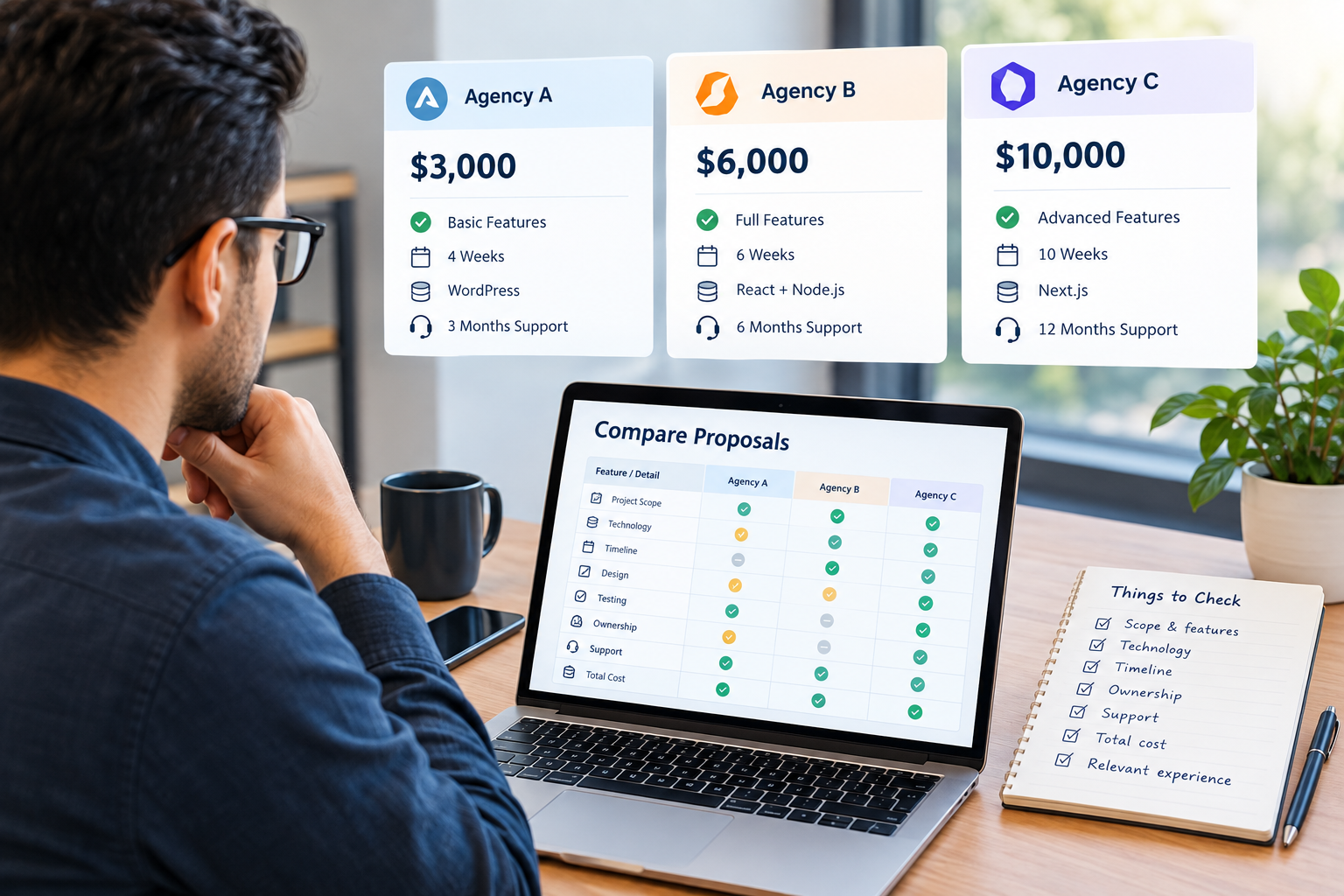
How to Compare Web Development Agency Proposals Before You Hire
Comparing web development agency proposals? Learn what to check beyond price, including scope, technology, timeline, ownership, support, and hidden costs.

How to Find a Digital Agency Without Getting Burned: The Buyer's Checklist (2026)
Finding the right digital agency is hard. This checklist gives buyers 7 proven filters to vet, compare, and connect — without broker fees or wasted calls.
How to Vet a Marketing Agency: A Buyer's Checklist Before You Sign
A practical checklist for vetting a marketing agency — the right questions to ask, red flags to watch for, and what separates a real partner from a pitch deck.