IT Agency Contracting & SLA Negotiation Guide 2026: How to Protect IP, Set Milestone Fees, & Enforce Benchmarks
Master enterprise IT agency contract negotiations in 2026. Learn how to protect source code IP, set milestone payment terms, and enforce SLA benchmarks without project delays.
AgencyOra Editorial Team
Enterprise Procurement & Engineering Intelligence

Negotiating an IT agency contract in 2026 requires balancing fast technical execution with rigorous intellectual property (IP) protection. An effective Service Level Agreement (SLA) defines explicit milestone deliverables, guarantees full source code ownership upon payment, and establishes automated financial remedies for unexcused downtime or missed sprint deadlines.
TL;DR: Key Takeaways for Procurement Leads
• Always mandate Work-for-Hire IP assignments that automatically transfer full copyright and repository access upon milestone completion. • Implement 30-day acceptance windows before final milestone sign-off to test for hidden technical debt. • Require Tier-1 SLAs with 99.9% uptime guarantees for production deployments and sub-1-hour response times for Critical P1 incidents. • Avoid uncapped time-and-materials contracts without clear sprint velocity caps.
1. Milestone-Based Billing vs. Fixed Retainers
When hiring external software engineering or cloud infrastructure partners, selecting the wrong payment structure creates misalignment. Below is a breakdown of how enterprise buyers structure payment terms in 2026:
Milestone Payments (Recommended for Custom Software Builds): - 15% Initial Deposit upon Master Service Agreement (MSA) signature. - 35% Mid-Point Sprint Review (UAT & Architecture Audit passed). - 35% Staging Environment Sign-off & Performance Verification. - 15% Final Release & Source Code Transfer.
2. Non-Negotiable Source Code IP Protection Clauses
The single biggest legal vulnerability in agency procurement is ambiguous IP ownership. Your Master Service Agreement must explicitly state that all custom code, database schemas, API definitions, and design tokens created during the engagement are "Work-for-Hire" owned solely by your company.
3. Enforcing Production SLA Response Times
For ongoing maintenance or managed cloud services, define explicit response times based on incident severity: • P1 (Critical Outage): Sub-15 minute response, 2-hour resolution target. • P2 (Major Degradation): 1-hour response, 8-hour resolution target. • P3 (Minor Bug): 24-hour response, scheduled in next sprint.
Ready to Find & Hire Vetted Agencies?
Compare verified agency portfolios, hourly rates, team sizes, and client reviews on AgencyOra's official marketplace directory.
Related Playbook Guides
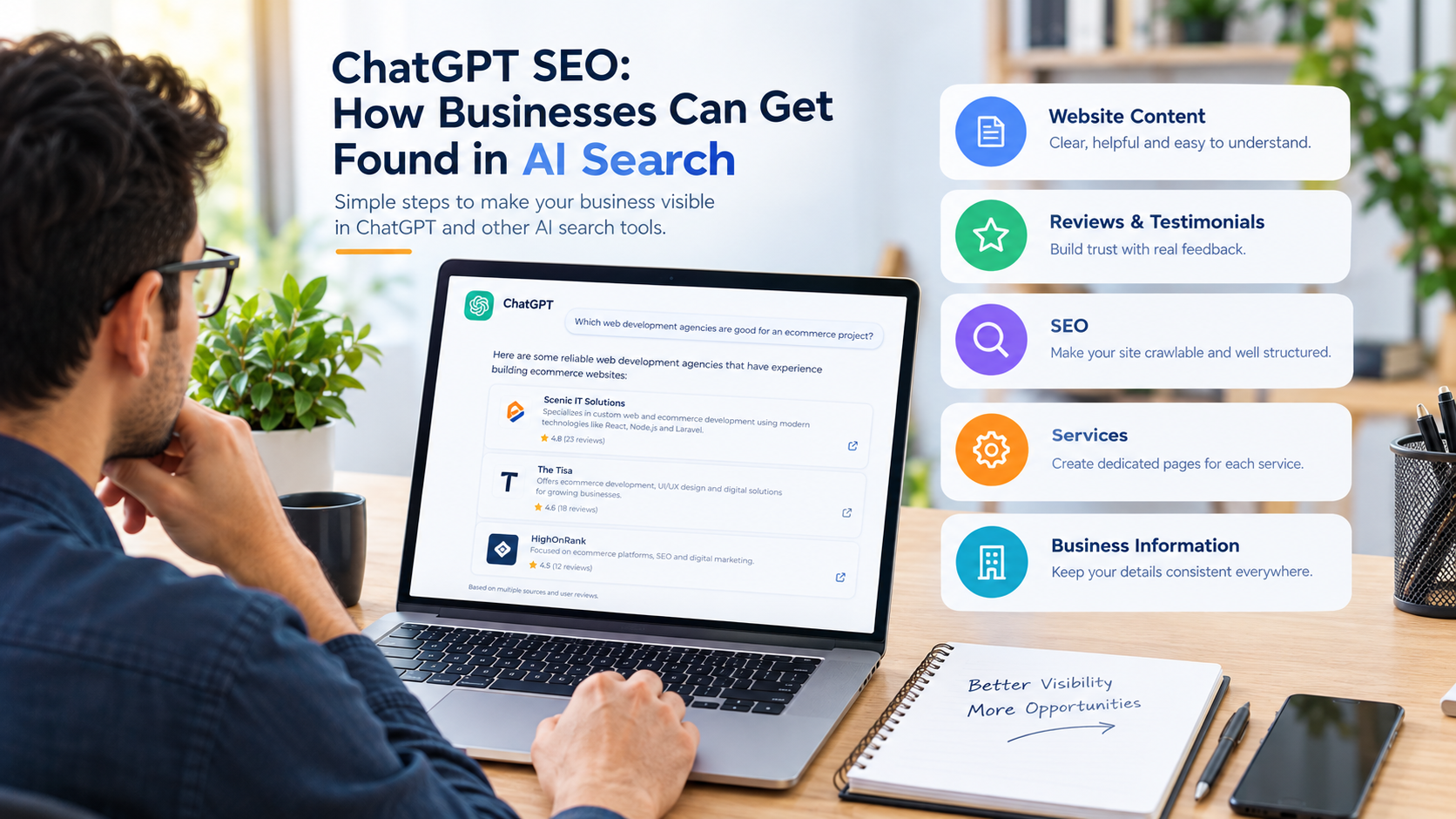
ChatGPT SEO: How Businesses Can Get Found in AI Search
Want your business to appear in ChatGPT and AI search? Learn the practical website and content changes that can improve your AI search visibility.
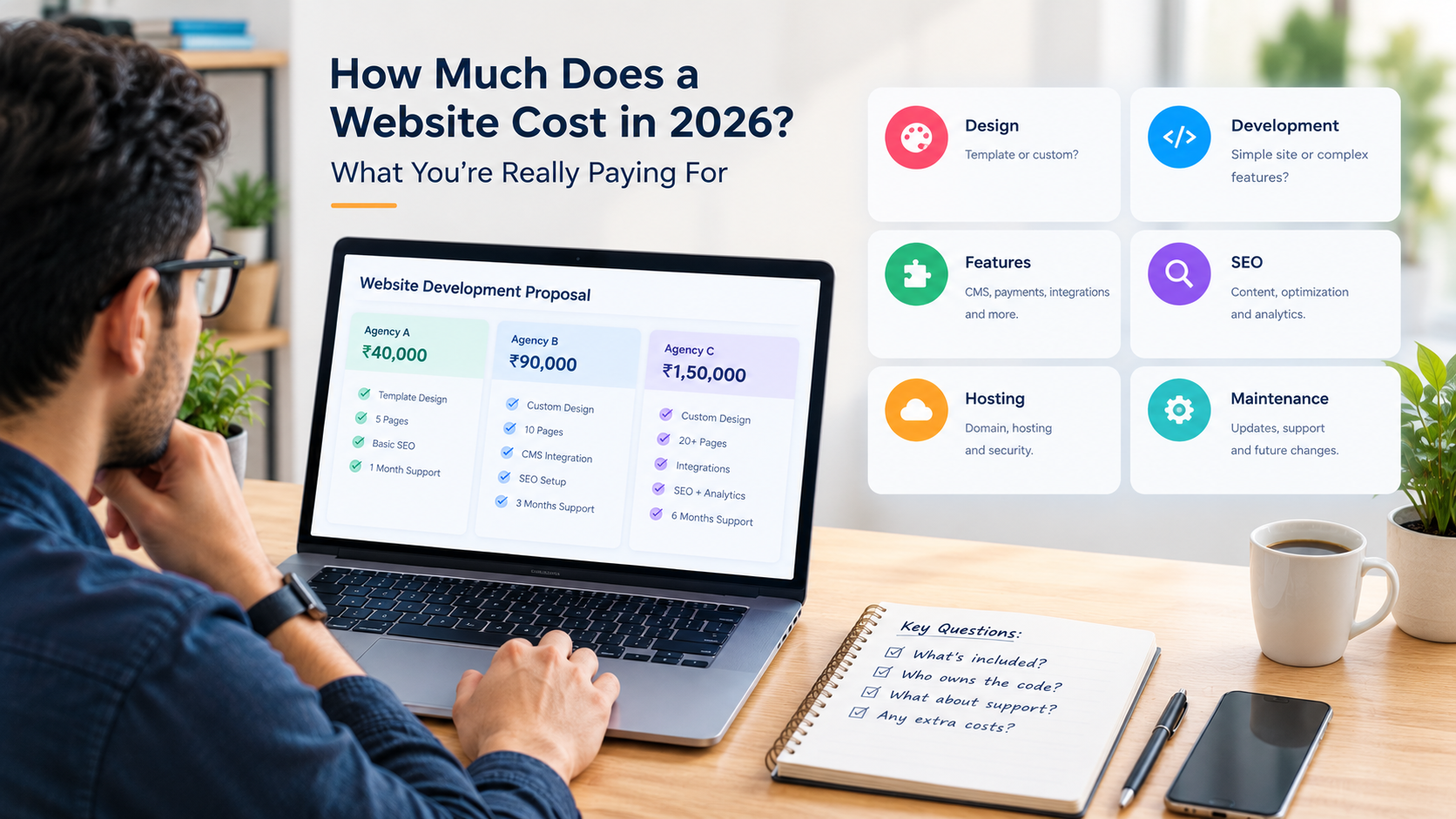
How Much Does a Website Cost in 2026? What You’re Really Paying For
Wondering how much a website costs? Learn what affects website pricing and what to check before accepting a development quote.

Why Your Website Is Not Getting Enough Leads: 7 Things to Check
Getting website visitors but not enough enquiries? Check these 7 common website problems that can stop visitors from becoming customers.